Evolving a heritage
sportswear brand
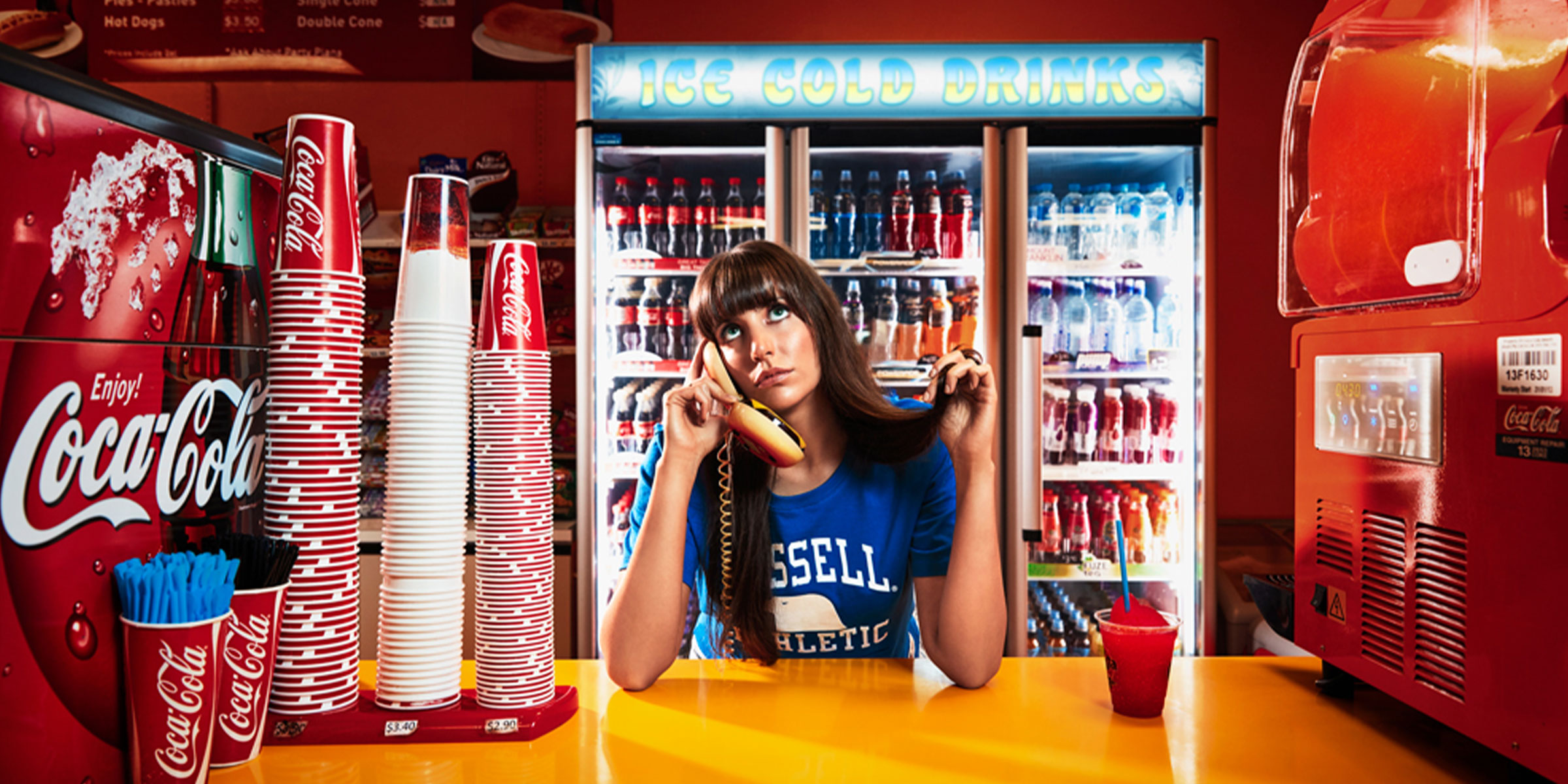
Russell Athletic taught me the value of consistency.
With more than a century of history behind it, every design decision sat between heritage and relevance. Change too much and customers stop recognising the brand. Change too little and the brand risks standing still.
Across seasonal collections, lookbooks, retail assets and campaigns, my role was helping evolve the brand while respecting what had made it successful in the first place.
"The tension between heritage and modernisation isn't a creative problem. It's a commercial one. Getting it wrong costs you customers in both directions."
I worked across seasonal range direction, textile graphics and product design support, photography direction, retail assets, catalogues, ecommerce creative and product storytelling. The scope covered everything from individual garment graphics through to full seasonal campaign rollouts.
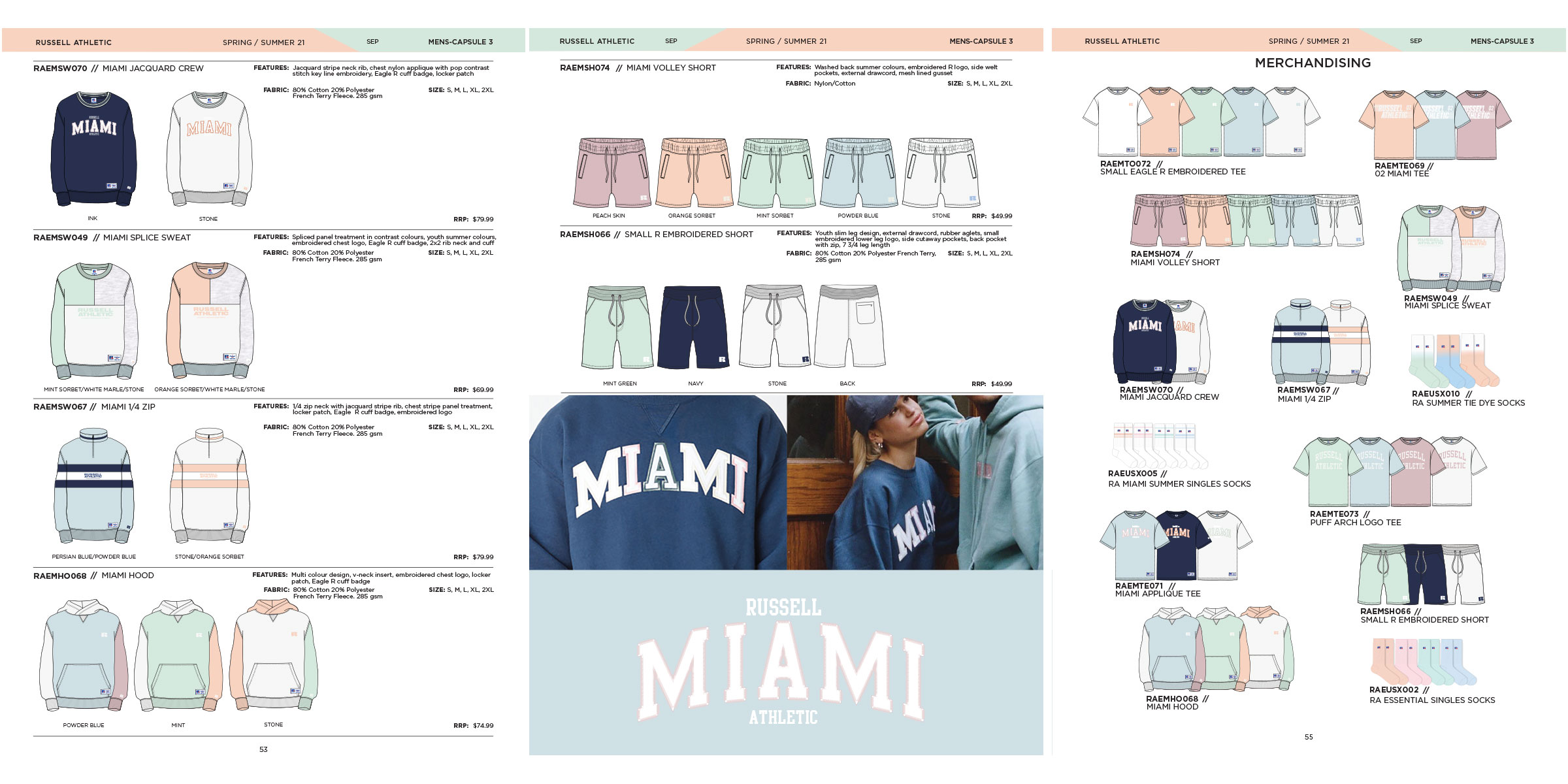
A season wasn't a single garment. It was hundreds of products, multiple campaigns, wholesale presentations, retail assets and ecommerce content all needing to feel connected.
The challenge wasn't creating individual pieces of design. It was building systems that allowed everything to work together — so that a swing tag, a retail poster and a homepage banner all felt like they came from the same place, even when they were produced weeks apart.
That lesson continues to influence how I approach brands today.
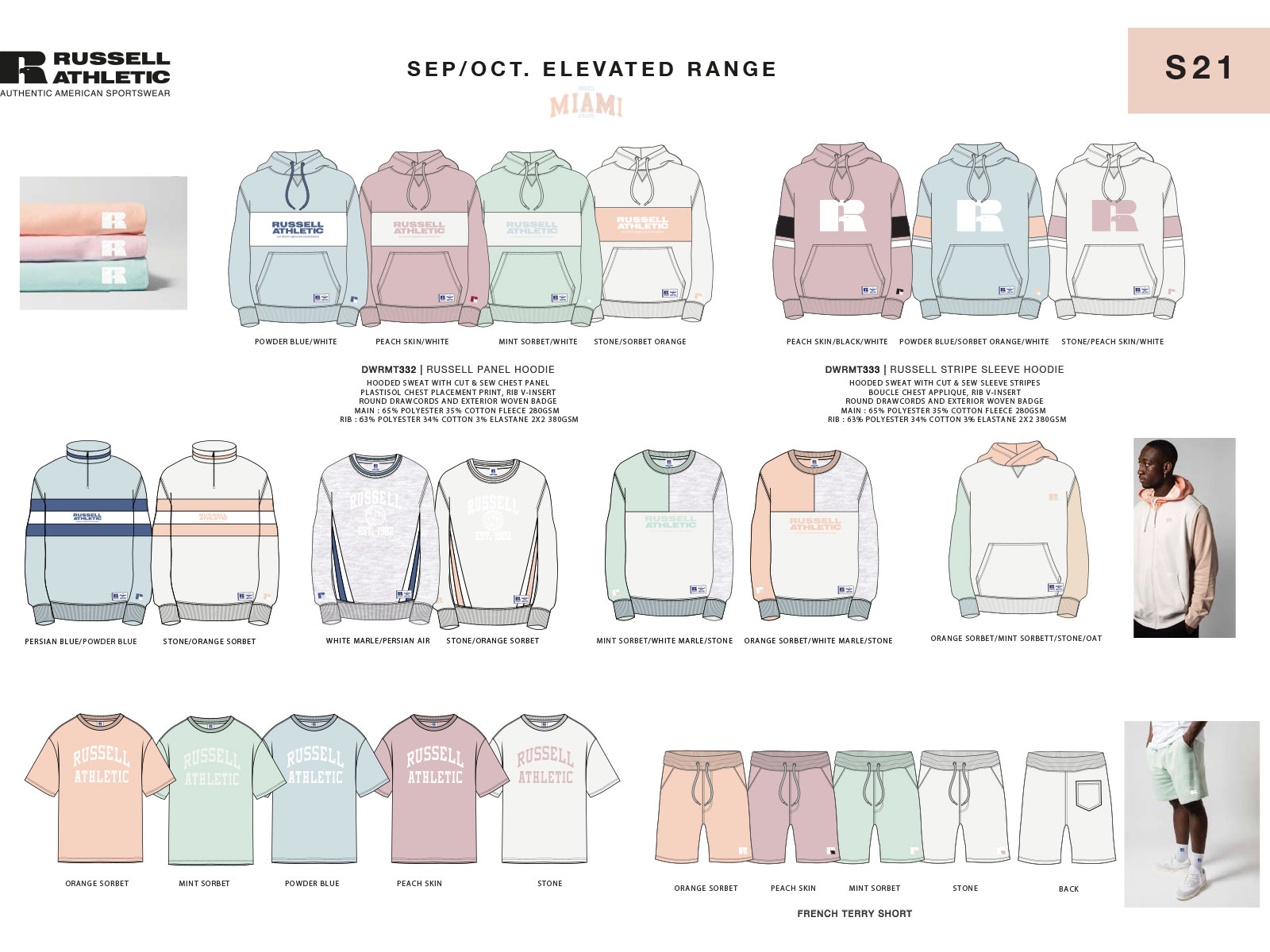
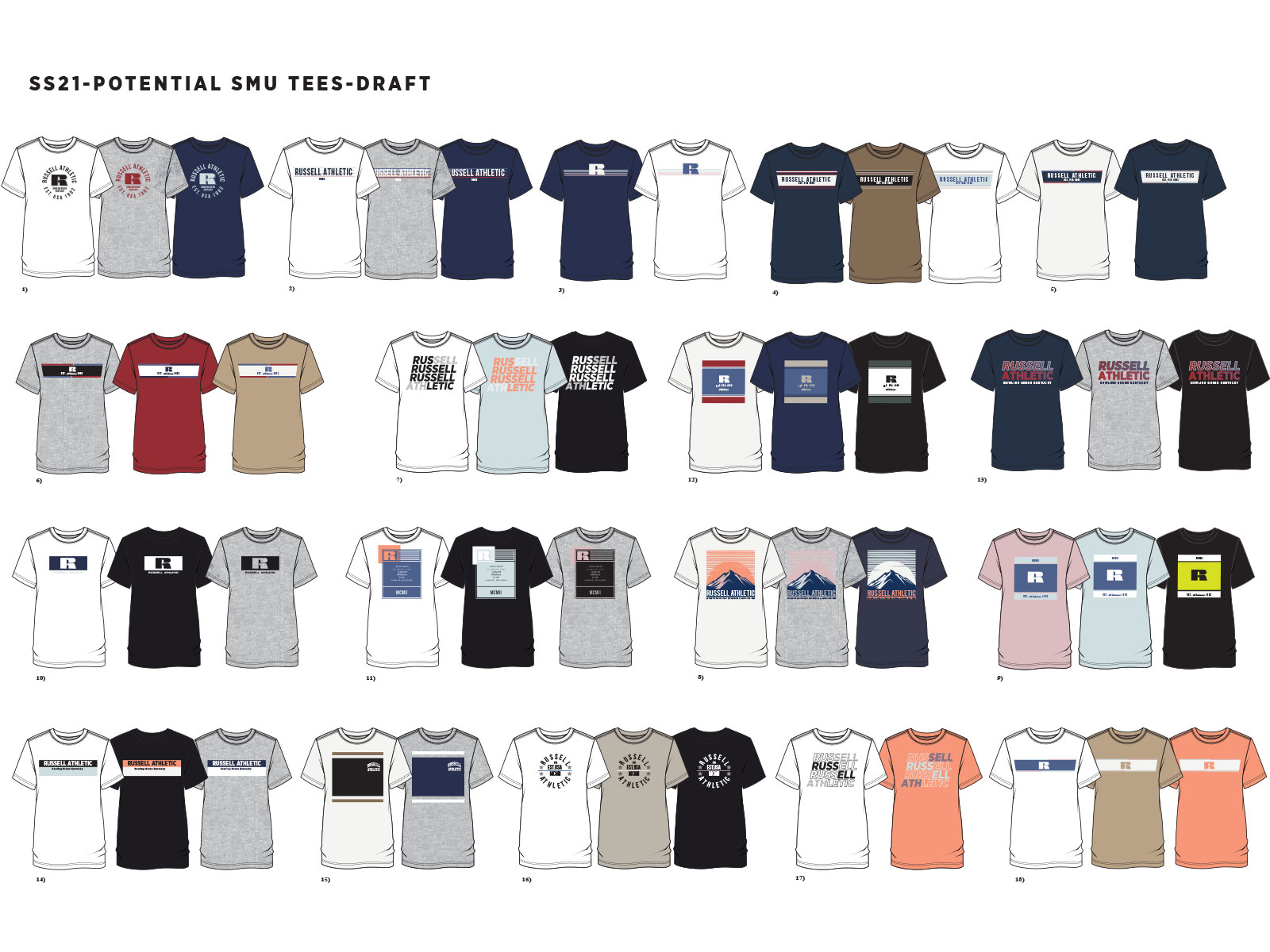
Seasonal apparel range and textile graphics development
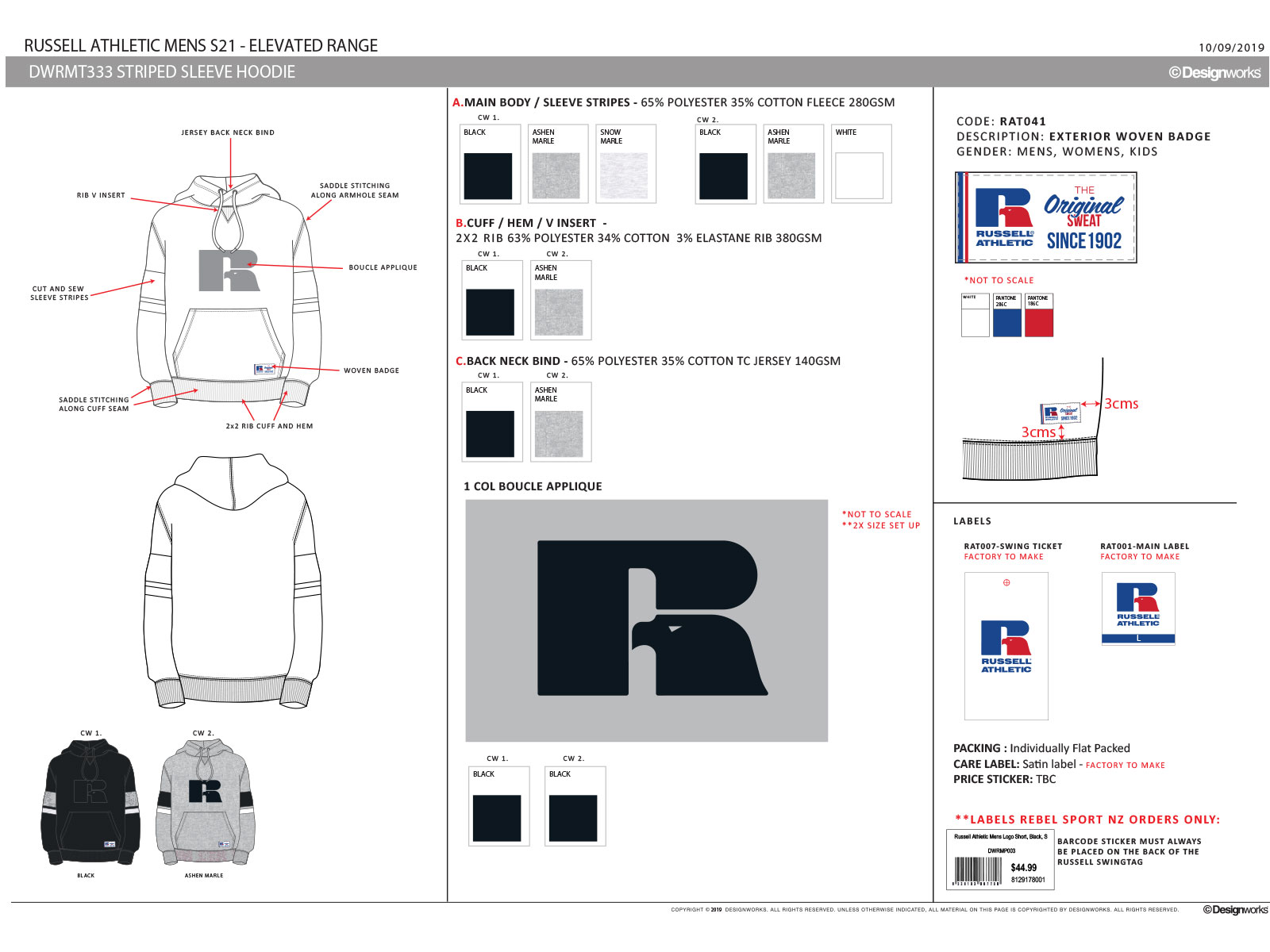
The textile graphics work was genuinely interesting — designing prints and graphics that have to work on a physical product, at scale, under real manufacturing constraints. You learn to work with limitations rather than against them. A graphic that looks strong on screen may not survive the print process, the fabric weight or the wash cycle.
That discipline — understanding the relationship between design intent and physical production — is something you only develop by working on product at volume.
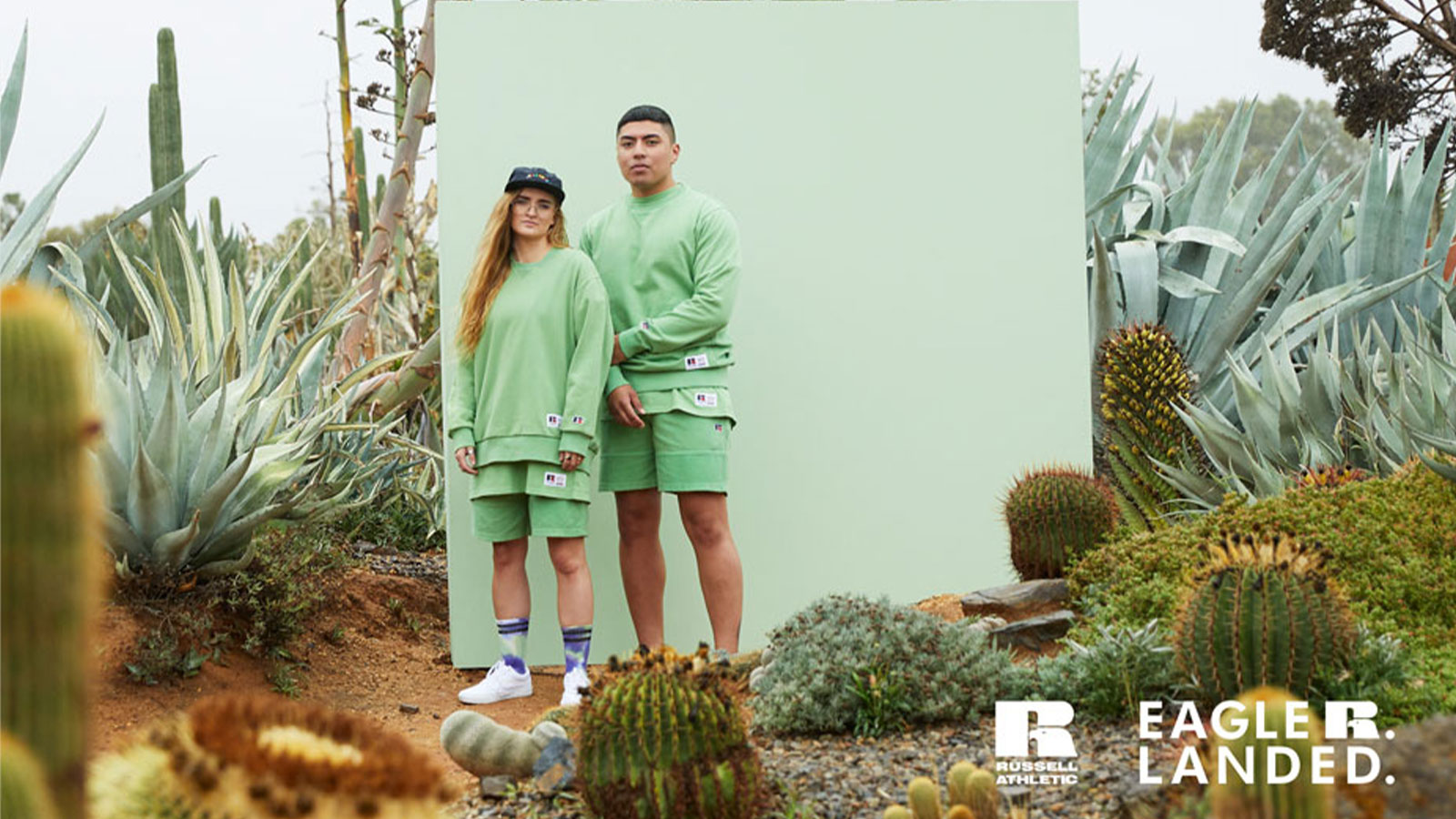
Seasonal campaigns ran across photography, retail environments, ecommerce and catalogues. The photography direction balanced the brand's heritage aesthetic with a more contemporary execution — casting, location and styling choices that felt current without abandoning what made the brand recognisable.
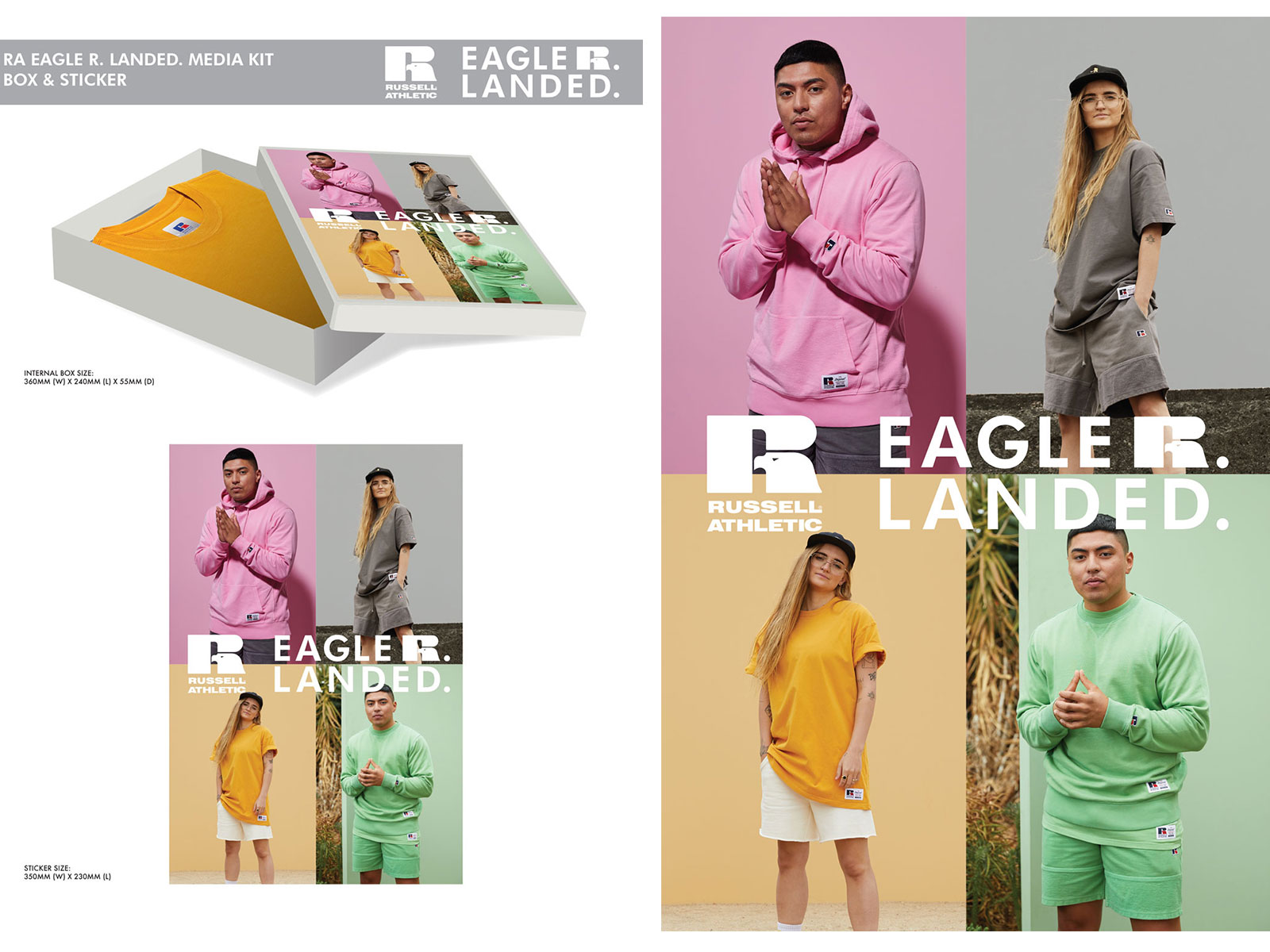
Russell Athletic was where I learned to think in systems rather than executions. The question stopped being "does this look good?" and started being "does this hold together across a hundred SKUs, a dozen retail environments and an entire season?"
That shift — from individual craft to creative infrastructure — has been one of the most transferable things I've taken from this period.